The Role of Digital Assets in Retirement Portfolios
A retirement plan involves more than investments alone.
Let's talk
about how the different pieces of your retirement plan can work together.
Digital assets, including cryptocurrencies, tokenized real estate, and traditional assets like digital securities, are transforming retirement portfolios by offering diversification, growth potential, and inflation protection. As digital finance continues to evolve, retirees are increasingly exploring digital assets to enhance financial security and optimize retirement savings. In this comprehensive guide, we explore the role of digital assets in modern retirement planning, their benefits, risks, and strategies for incorporating them into a balanced retirement portfolio.
Understanding Digital Assets in Retirement Planning
Digital assets encompass a broad category of investments that leverage blockchain technology, including:
- Cryptocurrencies: Digital currencies such as Bitcoin, Ethereum, and stablecoins, which have various use cases.

- Tokenized Real Estate: Real estate assets represented as digital tokens on a blockchain, enabling fractional ownership.
- Digital Securities: Tokenized stocks, bonds, and other securities offering liquidity and accessibility.
- Non-Fungible Tokens (NFTs): Unique digital assets representing ownership of digital art, collectibles, and intellectual property.
Unlike traditional investments, digital assets are decentralized, highly liquid, and accessible 24/7. They offer unique advantages but also come with volatility and regulatory risks. Understanding the role of digital assets in retirement portfolios is essential for strategic retirement planning.
Why Digital Assets Are Gaining Popularity in Retirement Portfolios
Digital assets are increasingly popular in retirement portfolios due to their potential for high returns, diversification, and inflation protection:
- High Growth Potential: Cryptocurrencies and digital securities have demonstrated exponential growth, offering significant capital appreciation.
- Portfolio Diversification: Digital assets have low correlation with traditional investments, reducing overall portfolio risk.
- Inflation Protection: Cryptocurrencies like Bitcoin are often considered digital gold, serving as a hedge against inflation.
- Liquidity and Accessibility: Digital assets are highly liquid, allowing retirees to access funds quickly without traditional banking limitations.
As technology continues to reshape the financial landscape, digital assets provide innovative opportunities for retirees to diversify their income streams and enhance financial security.
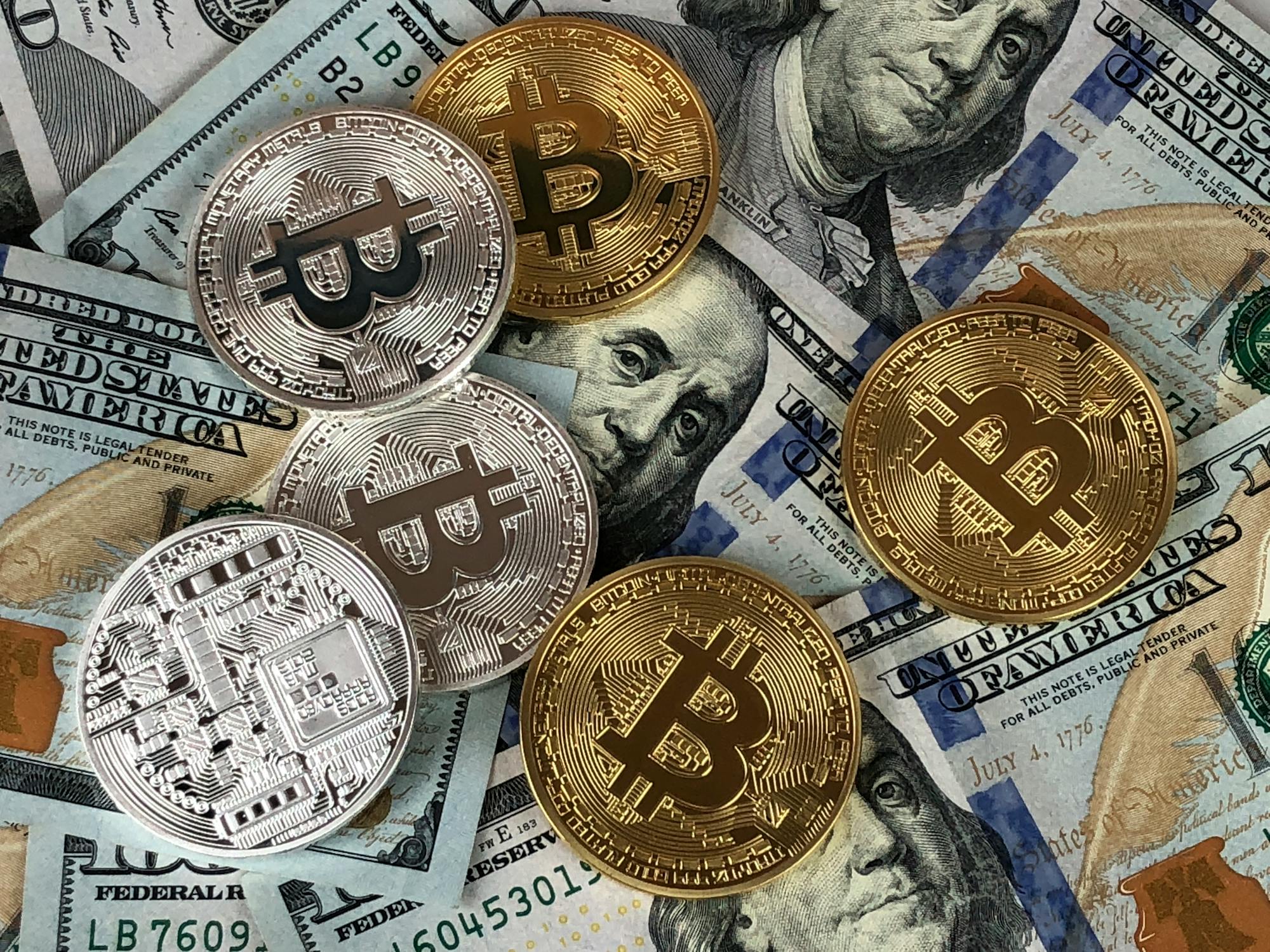
Cryptocurrencies: A New Asset Class for Retirement Portfolios
Cryptocurrencies are decentralized digital currencies powered by blockchain technology. They provide an alternative to traditional fiat currencies and offer unique investment opportunities.
Key Features of Cryptocurrencies:
-

Decentralization: Operate without central authority, reducing exposure to geopolitical risks.
-
Transparency and Security: Blockchain technology ensures transparent transactions and enhanced security, crucial in an era where central banks influence monetary policies.
-
Inflation-Resistant Supply: Cryptocurrencies like Bitcoin have fixed supply limits, protecting against inflation and reflecting their scarcity.
Popular Cryptocurrencies for Retirement Investments:
-
Bitcoin (BTC): The first and most widely recognized cryptocurrency, often referred to as digital gold in the growing crypto market.
-
Ethereum (ETH): Powers decentralized applications and smart contracts, offering growth potential through utility.
-
Stablecoins: Pegged to traditional currencies (e.g., USD Coin), providing stability in a volatile market.
Investment Strategies:
-
Long-Term Hold (HODL): Buy and hold strategy for long-term capital appreciation.
-
Dollar-Cost Averaging (DCA): Regularly investing a fixed amount to reduce volatility risk.
-
Income Generation: Earning passive income through staking, lending, or liquidity mining.
Risk Considerations:
-
Volatility: Cryptocurrencies are highly volatile, requiring risk tolerance and long-term investment horizons in the digital asset landscape.
-
Regulatory Risks: Evolving regulations may impact market dynamics and investment strategies, presenting both risks and potential cons for investors, as highlighted by the Government Accountability Office (GAO).
-
Security Concerns: Secure storage solutions, such as hardware wallets, are essential to protect digital assets from cyber threats.
Tax Implications: Cryptocurrency transactions, including capital gains, income from staking, and conversions, are taxable events in the U.S. Consult a financial advisor for tax-efficient retirement strategies.
Digital Securities: Enhanced Liquidity and Accessibility
Digital securities are blockchain-based representations of traditional financial securities, including stocks, bonds, and commodities. They offer:
-
Fractional Ownership: Purchase fractional shares of high-value assets, increasing accessibility.
-
Enhanced Liquidity: Trade digital securities on blockchain-based exchanges, ensuring liquidity.
-
Efficient Settlement: Blockchain technology reduces settlement times and transaction costs.
Types of Digital Securities:
-
Equity Tokens: Represent ownership in companies or assets, offering dividends and voting rights.
-
Debt Tokens: Digital representation of bonds, paying interest to token holders.
-
Commodity Tokens: Backed by physical assets like gold or oil, providing diversification and inflation protection.
Investment Strategy: Digital securities enhance portfolio diversification and provide passive income through dividends and interest payments, making them attractive for retirement planning.
Tax Implications: Digital securities are subject to capital gains tax and dividend income tax. Consulting with a financial advisor ensures tax-efficient investment strategies.
Non-Fungible Tokens (NFTs): Digital Ownership and Wealth Preservation
Non-Fungible Tokens (NFTs) represent unique digital assets on a blockchain, including art, collectibles, music, and intellectual property. Unlike cryptocurrencies, NFTs are indivisible and unique.
Benefits of NFTs:
-
Digital Ownership: Verify ownership and authenticity of digital assets on the blockchain.
-
Wealth Preservation: Certain NFTs, like digital art and collectibles, appreciate over time, preserving wealth.
-
Income Generation: Earn royalties from resale or licensing of digital content.
Investment Strategy: NFTs offer diversification and inflation protection, making them an innovative addition to modern retirement portfolios.
Risks and Considerations:
- Volatility and Speculation: NFTs are highly volatile and speculative, requiring careful risk management.
- Lack of Regulation: The NFT market is relatively unregulated, posing risks of fraud and counterfeiting.
Tax Implications: NFT transactions are subject to capital gains tax. Consulting with a tax advisor ensures compliance and tax efficiency.

Incorporating Digital Assets into a Balanced Retirement Portfolio
To effectively integrate digital assets into retirement portfolios, consider the following strategies:
- Diversification and Allocation: Allocate a small percentage (5-15%) to digital assets for diversification while managing risk.
- Risk Management: Balance high-growth digital assets with traditional investments for portfolio stability.
- Tax-Efficient Withdrawals: Implement tax-efficient withdrawal strategies, including Roth IRA conversions, to optimize after-tax income.
Financial Advisor Insight: Consult with a retirement financial advisor experienced in digital assets to create a balanced and secure retirement plan
Regulatory Landscape and Future Outlook
The regulatory landscape for digital assets is evolving, impacting investment strategies and tax implications. It is essential to:
- Stay Informed: Keep up-to-date with regulations from the SEC, IRS, and global financial authorities.
- Diversify Across Jurisdictions: Consider international digital assets for diversification and risk management.
- Adapt to Technological Advancements: Leverage emerging technologies like decentralized finance (DeFi) for enhanced financial security.
Future Outlook: Digital assets are expected to play a more significant role in retirement portfolios as blockchain technology and financial regulations mature.

Conclusion
Digital assets offer innovative opportunities for retirees to diversify income streams, protect against inflation, and achieve financial security. By strategically integrating cryptocurrencies, tokenized real estate, digital securities, and NFTs into retirement portfolios, retirees can optimize growth and safeguard their financial future.