Aging in Place: Can Your Retirement Plan Support Staying Home?
A retirement plan involves more than investments alone.
Let's talk
about how the different pieces of your retirement plan can work together.
Estimated Reading Time: 6-7 minutes
For many Americans, retirement isn’t about finding a new place to live—it’s about continuing to enjoy the home they’ve already built. After years of creating memories, building equity, and becoming part of a community, it’s no surprise that many retirees hope to remain where they feel most comfortable.
Aging in place has become one of the most common retirement goals among older adults. Rather than relocating to a retirement community or assisted living facility, many people envision spending their retirement years in familiar surroundings, close to family, friends, neighbors, and the routines they’ve grown to love. For many, the ability to age in place represents more than convenience. It reflects independence, stability, and the freedom to continue living life on their own terms.
In fact, surveys consistently show that most adults age 50 and older would prefer to age in place if possible. However, achieving that goal often requires more than simply remaining in the same house. It may involve planning for future healthcare needs, budgeting for ongoing home maintenance, considering accessibility improvements, and ensuring that retirement income can support both expected and unexpected expenses over time.
While many people carefully plan where they’ll retire, fewer spend the same amount of time planning how they’ll successfully age in place. Questions about mobility, housing costs, long-term care, and changing lifestyle needs often don’t arise until circumstances force difficult decisions.
That’s why aging in place isn’t simply a housing decision—it’s an important part of comprehensive retirement planning. By thinking through these considerations before they’re needed, retirees may have greater flexibility, more options, and increased confidence that their home can continue supporting the retirement lifestyle they envision for years to come.
Key Takeaways
✔ Aging in Place Requires More Than a Paid-Off Mortgage
Owning your home outright doesn’t eliminate ongoing expenses. Maintenance, property taxes, insurance, utilities, and future accessibility improvements should all be part of your retirement plan.
✔ Your Home Should Support Your Future Lifestyle
The best retirement home isn’t necessarily the one you’ve lived in the longest—it’s the one that can safely and comfortably support the life you want in the years ahead.
✔ Healthcare Needs Can Affect Where—and How—you Live
Planning for potential in-home care, mobility changes, and healthcare costs before they’re needed may provide greater flexibility and more choices later.
✔ Retirement Planning Is About Keeping Your Options Open
Whether you ultimately remain in your current home, downsize, or relocate closer to family, a comprehensive retirement strategy can help you evaluate those decisions with confidence as your needs evolve.
What Does Aging in Place Mean?
Aging in place means living safely, comfortably, and independently in your own home as you grow older, rather than relocating to an assisted living community or other care setting.
For some retirees, this may mean remaining in the same house for decades. Others may choose to move into a smaller home, condominium, or ranch-style property before retirement to make long-term living easier.
Neither approach is inherently right or wrong. The important question is whether your home—and your retirement plan—can adapt as your needs evolve.

Home Is More Than an Asset
For many families, a home represents one of their largest financial assets. Yet its value often extends far beyond dollars and cents.
Home is where children were raised, holidays were celebrated, and lifelong memories were created. It’s where neighbors became lifelong friends and routines became familiar comforts.
Because of that emotional connection, many retirees understandably hope to remain there for as long as possible.
However, successful aging in place often requires balancing emotional goals with practical planning.

The Hidden Costs of Staying Home
One common misconception is that once a mortgage is paid off, housing expenses become minimal.
In reality, many of the costs associated with homeownership continue throughout retirement.
Home Modifications
As mobility changes, certain updates may improve both safety and convenience.
Making proactive improvements before they’re urgently needed may provide greater flexibility later.
Depending on your home and individual needs, these improvements could include:
- Walk-in showers

- Grab bars in bathrooms
- Improved lighting
- Wider doorways
- Entry ramps
- Stair lifts
- First-floor living accommodations
Ongoing Maintenance
Every home requires upkeep.
Roof replacements, HVAC systems, plumbing repairs, appliance replacements, landscaping, snow removal, and exterior maintenance don’t disappear after retirement.
As homeowners age, they may also choose to hire professionals for tasks they once handled themselves, creating additional ongoing expenses.
Planning for these costs may help reduce financial surprises.
Property Taxes, Insurance, and Utilities
Even if your mortgage has been eliminated, recurring housing expenses often continue. These costs can change over time and may affect retirement cash flow if they aren’t incorporated into a long-term income strategy.
These may include:
- Property taxes
- Homeowners insurance
- Utility bills
- HOA fees
- Routine maintenance
- Unexpected repairs

Healthcare May Begin at Home
Healthcare planning extends beyond doctor visits and Medicare enrollment. Many retirees eventually require some level of assistance while continuing to live at home.
Examples might include:
- Home health aides
- Physical or occupational therapy
- Medication management
- Transportation to medical appointments
- Meal delivery services
- Temporary recovery care following surgery
The level of care needed varies significantly from person to person, making it difficult to predict future expenses with certainty.
Considering these possibilities as part of a broader retirement strategy may help provide greater flexibility if needs change.
Is Your Home Designed for the Retirement You Want?
Financial considerations are only part of the equation.
It’s also worth asking yourself questions like:
- Is your home close to family and friends?
- Can you easily access healthcare providers?
- Are grocery stores and other essentials nearby?
- Does your neighborhood encourage an active lifestyle?
- Will maintaining your property still fit your lifestyle 10 or 20 years from now?
Sometimes aging in place means remaining exactly where you are. Other times, it may involve making a thoughtful move today that better supports your future lifestyle.
Planning ahead allows those decisions to be made on your terms rather than during a stressful life event.
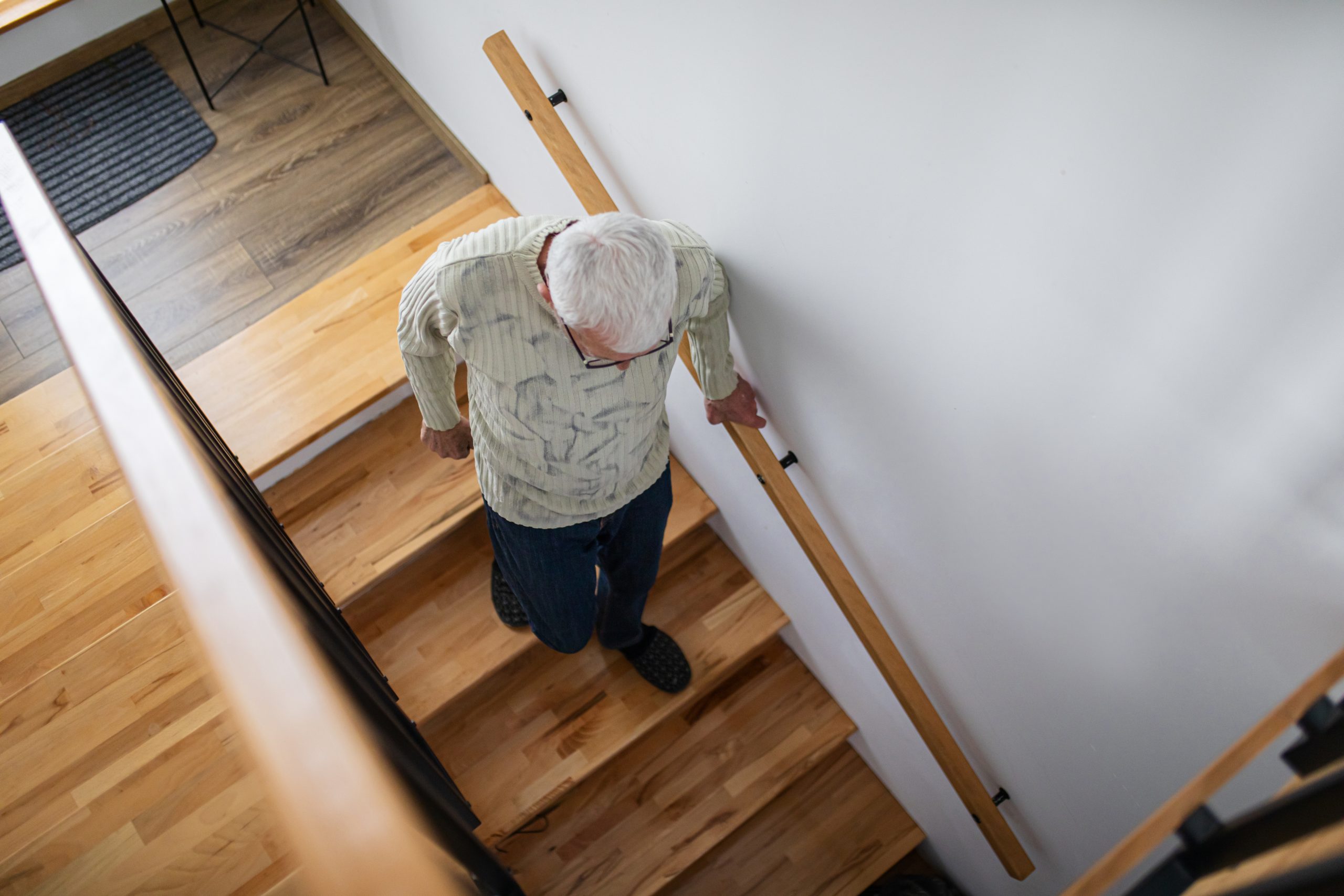
Flexibility Is One of Retirement's Greatest Assets
Retirement rarely follows a perfectly straight path.
Health, family dynamics, finances, and personal priorities may all change over time.
That’s why one of the most valuable aspects of retirement planning is flexibility.
Some retirees ultimately spend decades in the same home. Others decide that downsizing, relocating closer to loved ones, or moving into a maintenance-free community better aligns with their evolving goals.
Preparing for multiple possibilities can help create more choices in the future.
Housing Is Just One Piece of the Retirement Picture
Where you live influences many other aspects of retirement.
Housing decisions may affect:
- Retirement income needs
- Healthcare planning
- Investment withdrawal strategies
- Tax considerations
- Estate and legacy planning
- Cash flow throughout retirement
Rather than viewing these decisions independently, many retirees find value in evaluating how each piece works together as part of a comprehensive financial strategy.
At Goldstone Financial Group, we believe retirement planning extends beyond investment management. Every person’s goals, lifestyle, family situation, and financial picture are unique, which is why thoughtful planning often considers multiple areas of retirement—not just one.
Whether your goal is to remain in your current home, relocate closer to family, or simply preserve the flexibility to make future choices, having a strategy in place can help you evaluate those decisions with greater confidence.

Final Thoughts
For many people, there truly is no place like home.
If aging in place is one of your retirement goals, preparing for it involves more than maintaining a house—it means considering how your finances, healthcare, lifestyle, and long-term goals work together over time.
The earlier these conversations begin, the more options you may have in the years ahead.
A retirement plan cannot predict every change life will bring, but thoughtful preparation can help position you to make informed decisions when those moments arrive.
If staying in your home is part of your vision for retirement, making it part of your financial planning today may help support the lifestyle you hope to enjoy tomorrow.
Sources:
- National Institute on Aging (NIA) – Aging in Place: Growing Older at Home
https://www.nia.nih.gov/health/aging-place-growing-old-home - AARP 2024 Home & Community Preferences Survey
https://www.aarp.org/home-living/home-community-preferences-survey-2024/ - Centers for Disease Control and Prevention (CDC) – Healthy Aging
https://www.cdc.gov/healthy-aging/about/
Disclosure:
Goldstone Financial Group, LLC (“GFG”) is a registered investment advisor with the U.S. Securities and Exchange Commission. Registration does not imply a certain level of skill or qualification. This material is provided for informational purposes only. Opinions expressed herein are solely those of GFG. None of the information presented in this material is intended to offer personalized investment advice and does not constitute an offer to sell or solicit any offer to buy a security or any insurance product and is not intended to be used as the sole basis for financial decisions, nor should it be construed as advice designed to meet the particular needs of an individual’s situation.